
Frog Butt: The Complete, Ridiculous, Surprisingly Fascinating Guide to Frog Posteriors
📋 Table of Contents
- What Exactly Is a Frog Butt?
- Do Frogs Actually Have Butts? The Science
- Rain Frog Butt: The Round Legend
- Butter Frog: The Smoothest Amphibian
- Frog Butt Memes and Internet History
- Frog Booty: Nature's Greatest Accident
- Toad Butt vs Frog Butt: Who Wins?
- Frog Butt Human Comparisons
- Desert Rain Frog Butt: The Angry Potato
- Frog Buttocks: A Scientific Breakdown
- Why the Whole Internet Obsesses Over Frog Butts
- 20 Frog Butt Fun Facts You Can't Unlearn
- Frog Butt FAQ: Your Questions Answered
Okay. Let's just own this moment together. You are a full human being with a job, probably a Netflix subscription, and definitely opinions about coffee. And yet here you are. You typed something frog-related into a search engine and landed on a website dedicated entirely to frog butts. Honestly? Same energy. No judgment whatsoever. We're all just out here trying to find our people.
Maybe it was a 2 AM meme spiral that brought you here. Maybe your best friend sent you a photo of a rain frog that looked like someone sat on a grape and it grew eyes. Maybe you have always felt a deep, spiritual connection to small round amphibians and you finally decided to lean into it. Whatever brought you here, you made the right call. Welcome home, friend.
This is genuinely the most complete, most ridiculously thorough guide to frog butts ever written by any human in the history of the species. Science? Got it. Memes? Oh absolutely. Philosophical implications of a frog's posterior? We went there and took notes. Pour yourself something warm. Get your legs in a comfortable position (the frog position is very acceptable). Let's do this properly.
Millions of people search for frog butt content every single month. That is more people than live in many small cities, all united by one shared curiosity about amphibian backsides. You are not alone. You are part of something bigger than yourself. Something rounder, too.
What Exactly Is a Frog Butt? (And Why Does It Look Like That?)
Before we dive into the glorious frog hole of frog butt content, it is worth establishing what we are actually looking at when we look at a frog's rear end. Because it turns out the frog butt is a genuinely fascinating piece of biological engineering, even if it also happens to be absolutely hilarious.
The "butt" region of a frog (technically the posterior or caudal region) is defined by the area behind the pelvis and before the tail would be, if frogs had tails. Here is the thing though: most adult frogs do not have tails. They had them as tadpoles, they reabsorbed them during metamorphosis, and now they are left with this wonderfully round, compact rear end that has captured the hearts of millions of internet users who had no idea this would become their personality.
When you look at a frog sitting flat, especially certain species like the rain frog or the tomato frog, what you are seeing is the frog's entire pelvic and posterior region compressed into what can only be described as a near-perfect sphere. The hind legs fold neatly underneath and behind the body, the skin stretches smooth and tight, and the result is something that looks like nature was building a frog and simply ran out of corners.
The Anatomy Behind the Hilarity
Frogs belong to the order Anura, which means "without tail" in Greek. That is a very apt name given what we have been discussing. Their skeletons are highly modified for jumping: a short stiff spine, a wide pelvis, and extremely powerful hind legs. When a frog settles into its resting position, those powerful hind legs fold back against the body, and the result is that unmistakably round, puffed-up silhouette that makes up the classic frog butt.
The skin on a frog's posterior is also worth noting. Unlike mammalian skin, frog skin is permeable and moist. Frogs actually breathe partially through their skin in a process called cutaneous respiration. This means the skin is kept smooth, moist, and tight against the body, contributing to that satisfying, almost geometric roundness that has launched a thousand memes and at least several dozen group chat conversations starting with "YOU HAVE TO SEE THIS."
💡 Quick Anatomy Fact: The rounded appearance of a frog's butt is largely created by the iliosacral joint, a unique feature in frogs that allows the pelvis to pivot when jumping, acting like a shock absorber on landing. So that little round butt is not just cute. It is an engineering marvel. Nature built a tiny biological suspension system and accidentally made it adorable.
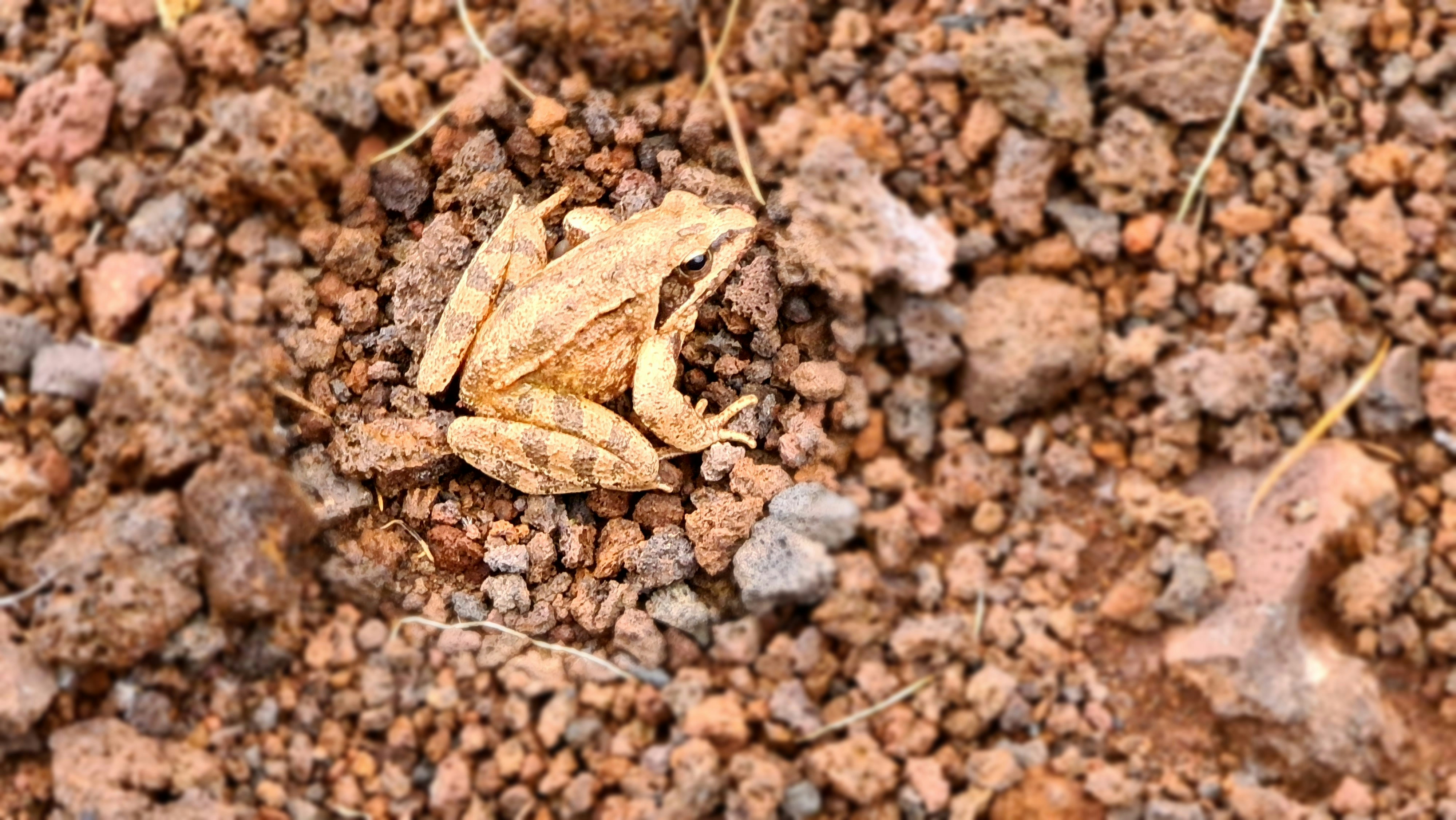
Different frog species produce dramatically different butt profiles. Some frogs are flat and wide. Some are round and compact. Some, like the wonderfully weird burrowing frogs, are essentially shaped like a tennis ball with legs attached as an afterthought. Nature had a lot of fun with frog butts, and honestly we are grateful for the variety.
Do Frogs Actually Have Butts? The Science (The Answer Is Better Than You Think)
This is the question that haunts people at odd hours. It sounds simple. It sounds like the kind of question you would ask as a joke. But if you actually sit with it, "do frogs have butts?" is a question that deserves a serious answer. Because the answer is interesting, a little surprising, and ultimately deeply satisfying in a way that justifies the entire existence of this website.
Technically speaking, yes. Frogs have a functional equivalent of a butt, even if it is not identical to the mammalian posterior in structure. Frogs have a cloaca, which is a single multipurpose opening at the rear of the body that handles waste elimination, reproduction, and even water absorption. In this sense, every frog has a rear end that does butt-related things. And it does them with remarkable efficiency.
The Cloaca: Nature's Swiss Army Knife
The word "cloaca" comes from the Latin word for sewer, which is maybe not the most glamorous etymology for such a hardworking body part. In frogs, the cloaca is the final section of the digestive tract and also connects to the urinary and reproductive systems. It opens to the outside through the cloacal aperture, which is, technically, the frog's butthole. Science is wild.
So when someone asks "do frogs have butts?" the honest answer is: they have a cloaca, and the cloaca does everything a butt does and several things a butt does not. It is a butt, but make it amphibian. It is a butt that multitasks. It is quite possibly the most efficient butt in the entire animal kingdom, and frogs deserve credit for that.
Beyond the internal anatomy, frogs also have the visual butt: that rounded posterior profile that makes them so photographable. This is mostly formed by the skeletal structure and the way the powerful hind legs fold against the body. Whether you are asking about function or form, frogs are extremely well-equipped in the posterior department. No notes.
Frogs can actually absorb water through their cloaca, which is a useful adaptation for desert-dwelling species. The "drink patch" on the underside of a frog can absorb water from moist surfaces, but in truly dry conditions, some species use their cloacal region to extract moisture too. It is a butt that drinks water. We live in a genuinely fascinating world and we should appreciate that more.
Some particularly enthusiastic frog species, notably certain horned frogs and tomato frogs, actually use their round puffy posterior as a defensive strategy. When threatened, they inflate their bodies, making them appear larger and harder to swallow. This means that impressive frog butt you are admiring might actively be saving that frog's life at this very moment. Respect the butt. The butt is functional and heroic.
Rain Frog Butt: The Round Legend That Changed the Internet
If you are going to have a spiritual awakening about frog butts, and based on your being here you may be having one right now, it almost certainly involves a rain frog. One posterior, one viral photo, one cascade of "I can't" in a comment section, and suddenly the whole internet was changed forever. Specifically, the butt of the Breviceps adspersus, commonly known as the common rain frog or the desert rain frog's slightly less famous cousin. Really though, any member of the Breviceps genus produces a butt so gloriously round that it borders on the philosophical.
Rain frogs are burrowing frogs native to southern and eastern Africa. They have evolved a body shape that is perfect for pushing through soil: short, wide, and very round. They look less like frogs and more like someone drew a frog from memory after having only heard one described verbally by a person who had also only heard one described verbally. They are almost spherical. Their legs are comically short. Their faces carry an expression of permanent mild annoyance. They are magnificent and they know it.
Why the Rain Frog Butt Is Peak Perfection
When a rain frog sits in its resting position, the butt region achieves something extraordinary: a nearly perfect hemispherical dome. The skin is smooth and taut. The legs disappear underneath. What remains is a round little body that looks like nature inflated a small balloon, drew two eyes on one end, and called it a day. You cannot improve on this design. Scientists have tried. They have not succeeded.
The rain frog butt became truly famous through a combination of wildlife photography and social media. Photos of rain frogs sitting still, often in someone's hand which only emphasizes their uncanny smallness and roundness, spread through Reddit, Twitter, and Instagram with alarming speed. People could not stop sharing them. Comment sections filled up with variations of "it's so round" and "I can't" and strings of increasingly overwhelmed emoji. This is the correct response and there is nothing embarrassing about it.
There is a psychological explanation for why humans find the rain frog butt so irresistible. The extreme roundness triggers what researchers call "kindchenschema," the baby schema response, the same neurological reaction that makes us find babies and puppies cute. Round heads, large eyes, plump forms: these features activate caregiving instincts in humans. Rain frogs, with their spherical bodies and their perpetually grumpy expressions, hit this button so hard they practically broke it clean off.
Rain frogs are named not because they live in rain, but because their calls are most often heard after rainfall. When it rains, they emerge from their burrows to breed, producing their distinctive high-pitched, slightly indignant squeaking calls. If you hear an angry little squeak coming from the soil after rain in southern Africa, congratulations. There is a round little butt disappearing back underground somewhere very near you.
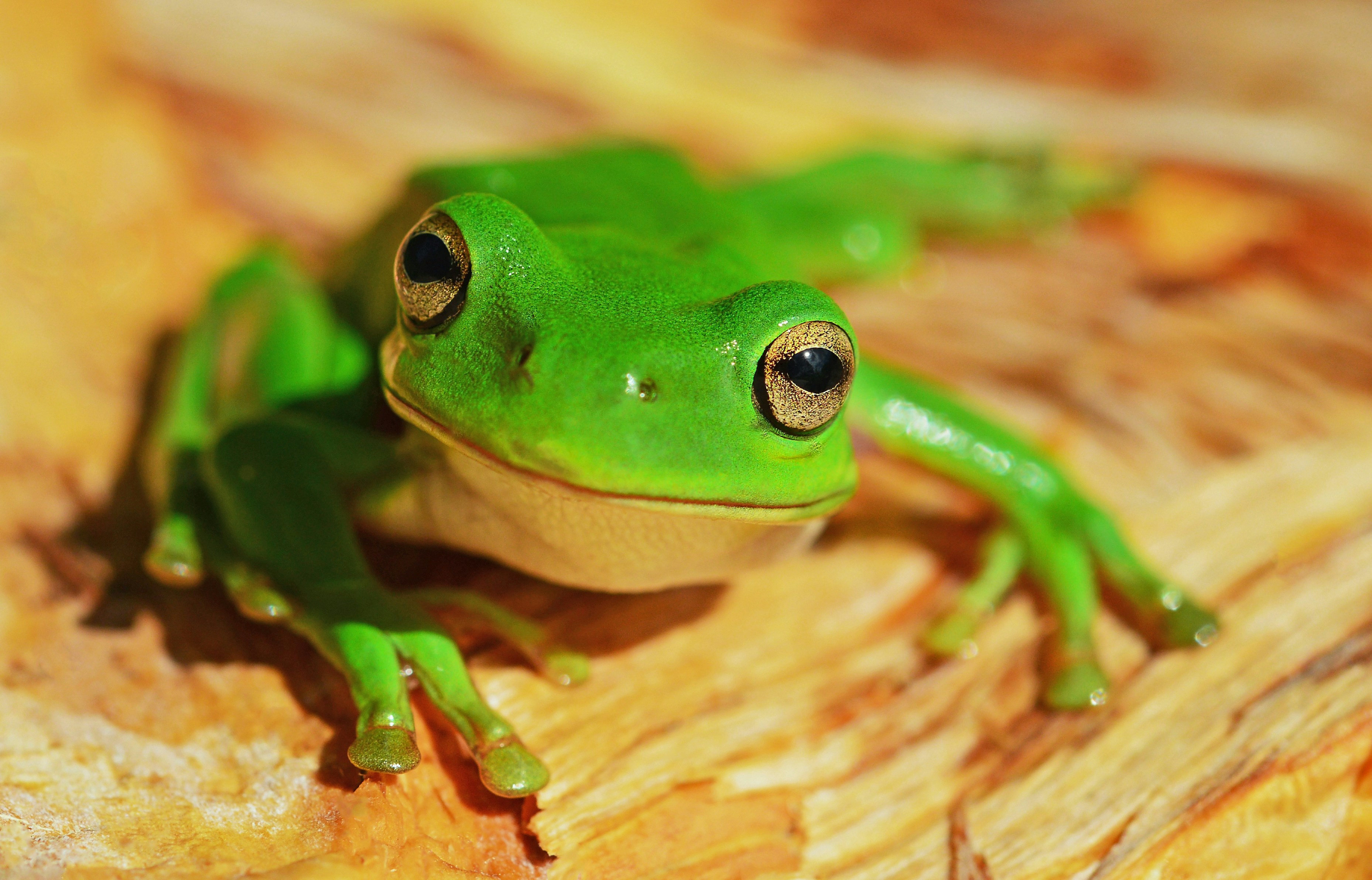
A classic tree frog — smooth, round, and radiating maximum butter energy.
People are specifically seeking out this particular posterior. They know what they want. They want the round frog butt. And honestly we respect the clarity of purpose more than words can express.
Butter Frog: The Smoothest Amphibian and What "Butter Frog" Actually Means
The term "butter frog" did not come from a biology textbook. It came from the internet, which is where all the truly important knowledge lives. Allow us to illuminate this important term for you.
"Butter frog" is the internet's highest compliment for a certain type of frog: smooth, round, slightly shiny, with a gentle squishy quality that makes you feel things you were not prepared to feel about an amphibian. Their skin looks almost spreadable. Not in a weird way. In a completely normal, deeply wholesome way. They look like they were made to be held in two cupped hands while you make little happy sounds. This is a scientific description, not just vibes.
Which Frogs Are True Butter Frogs?
The designation is informal but very well-understood in the frog appreciation community. The most commonly cited butter frogs include:
- White's Tree Frog (Litoria caerulea): Perhaps the ultimate butter frog. Smooth, plump, waxy-looking skin. A permanently contented expression. When a White's Tree Frog settles into a resting position and its soft body spreads slightly, it achieves a level of butteriness that has sent many people to their phones to take photos they will show to strangers.
- Tomato Frog (Dyscophus antongilii): Round, orange-red, smooth-skinned and distinctly butter-adjacent. Like a very small, very confident tomato that decided to become a frog and has absolutely zero regrets about that decision.
- Vietnamese Mossy Frog: Technically not smooth, but the mottled lumpy texture creates a visual effect that some describe as "butter that has been left on the counter and developed character." This is a compliment. A sincere one.
- African Bullfrog (Pyxicephalus adspersus): Large, smooth, round. Maximum butter. If butter frogs have a king, this is him, and he has absolutely no interest in your opinion about that arrangement.
The butter frog phenomenon reveals something interesting about how humans relate to animals aesthetically. We find certain textures, shapes, and skin qualities pleasing in a way that has nothing to do with traditional ideas of animal beauty. The butter frog is not majestic. It is not fierce. It is simply incredibly, undeniably smooth and round, and that, it turns out, is more than enough. The butter frog is enough. You are enough. We are all enough.
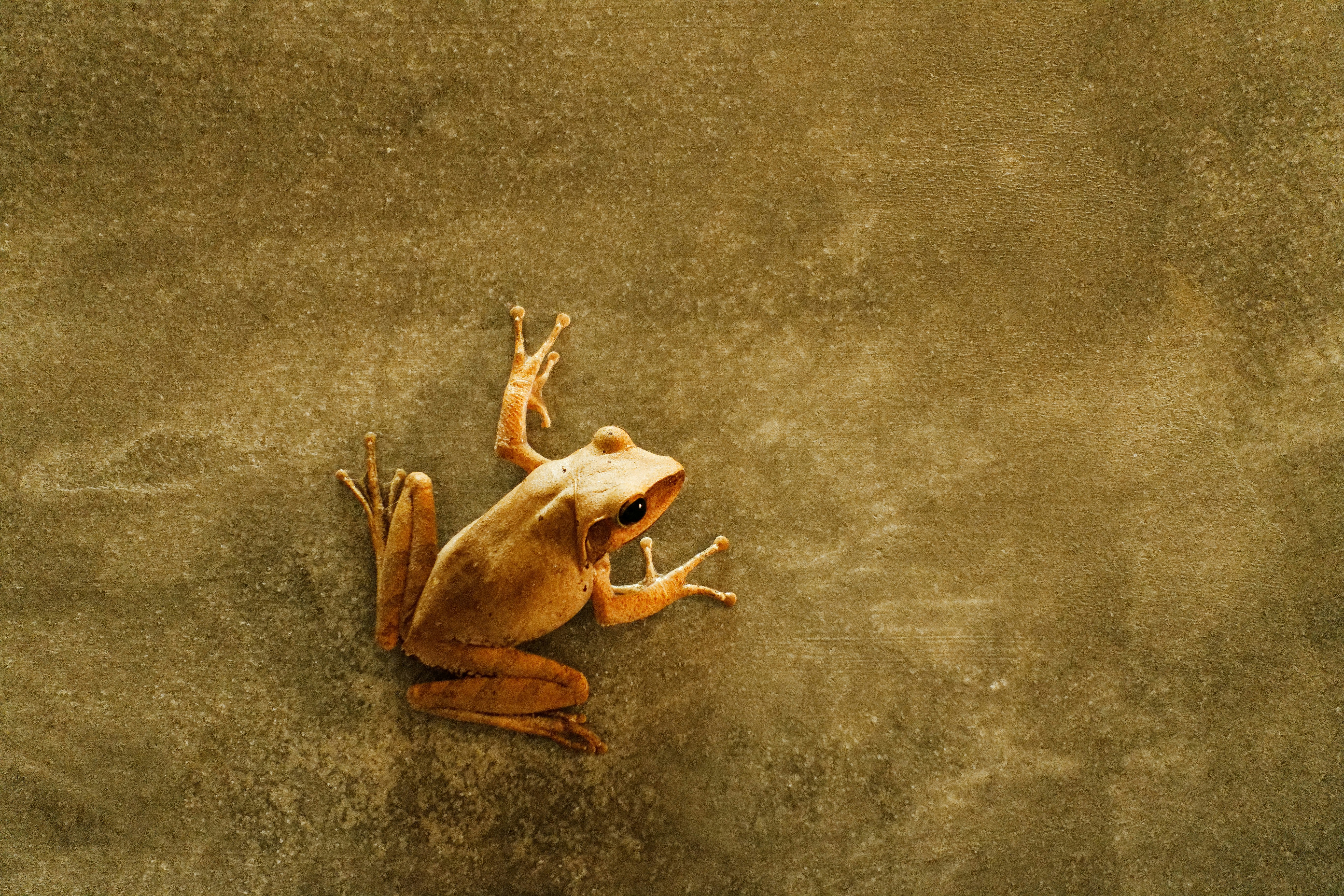
Peak butter frog energy — smooth golden skin, big eyes, maximum charm.
Frog Butt Memes: A Cultural History of Amphibian Posterior Humor
The frog butt meme is a genre unto itself, and it deserves to be treated as such. To understand why frog butts became a meme staple, we need to go back to the early days of internet frog appreciation, which is a sentence that would have been deeply confusing to people in 1995 but makes complete sense now in ways we cannot fully explain.
Frogs have a long and storied history in internet culture. Pepe the Frog emerged in the mid-2000s. The Kermit the Frog memes proliferated in the 2010s. But frog butt memes occupy a specific, wholesome corner of this tradition. They are not satirical or political. They are just genuinely, unguardedly delighted by the existence of round frog backsides. This is the purest form of internet content and we will defend it to the end.
The Anatomy of a Perfect Frog Butt Meme
The most effective frog butt memes share certain characteristics. They typically feature a photograph (real, not illustrated) of a frog from behind or in a three-quarter position that emphasizes the posterior. The frog is usually sitting still, which allows the full roundness to register properly. The lighting tends to be good, highlighting the texture and shape. And the caption is usually some variation of pure unfiltered appreciation: "look at this little guy," "I can't handle this," or simply the word "butt" followed by multiple frog emoji. Perfection in its simplest form.
😂 The Golden Rule of Frog Butt Memes: The frog must never look undignified. The humor comes from the objective absurdity of the shape, not from mocking the frog. The frog is in on the joke. The frog has always been in on the joke. The frog does not care about your human opinions. The frog is simply round, and you will deal with that however you need to.
What makes these memes spread is their emotional simplicity. There is no complex joke to decode, no political subtext, no in-group knowledge required. You look at the frog butt. The frog butt is round and absurd and somehow wonderful. You feel a brief, genuine surge of delight. You send it to someone you love. They feel the same surge of delight. This is the entire transaction, and it is sufficient and good.
Some of the most viral frog butt meme formats include the comparison meme (juxtaposing a frog butt with another perfectly round object like a marble, a gumball, or a full moon), the relatable meme (the frog sitting spread-flat with a caption about working from home or Monday mornings), and the appreciation post (no caption, just the frog, because sometimes beauty speaks for itself and captions only get in the way).
The frog butt meme community on Reddit, particularly in subreddits like r/frogs and r/aww, generates thousands of interactions monthly. People share their own frog photos, celebrate particularly impressive specimens, and engage in good-natured debates about which species produces the superior butt profile. It is, in the truest sense, a community built entirely on joy. We love this for them. We love this for all of us.
Frog Booty: When "Butt" Simply Is Not Enough Appreciation
Sometimes "frog butt" does not fully capture the majesty of what you are looking at. Sometimes the situation calls for something more. Something that conveys not just the physical reality but the emotional response to it. In those moments, the internet reaches for "frog booty." And the internet, in this case, is correct to do so.
The distinction between "frog butt" and "frog booty" is subtle but real. "Frog butt" is descriptive. Clinical, almost. It states a fact. "Frog booty" is celebratory. It is appreciative. It acknowledges that what you are looking at is not just a butt. It is an impressive butt. A butt worthy of a second glance, a screenshot, a text to your group chat with the caption "FROG BOOTY" in all capitals. These are different energies and both are valid.
Species with Particularly Notable Frog Booties
Not all frog booties are created equal. Certain species have evolved posteriors of such magnificence that they deserve special recognition and at minimum a framed photo on someone's wall:
- The Amazon Milk Frog: A large, pale blue-grey tree frog with a wide posterior that flattens impressively when seated. Maximum surface area. Maximum booty. This frog sat down and accidentally invented something beautiful.
- The Pixie Frog (African Bullfrog): Perhaps the heavyweight champion of frog booties. These frogs can weigh over two pounds, and that weight is distributed in the most impressive posterior profile in the entire frog kingdom. The Pixie Frog knows what it is. The Pixie Frog has made peace with it.
- The Solomon Island Leaf Frog: Unusual in that its booty is enhanced by leaf-like skin flaps that extend the silhouette sideways. Wide. Flat. Remarkable. Like a frog that decided it needed more booty real estate and simply grew some.
- The Budgett's Frog: A flat, wide, deeply unimpressed-looking frog from South America. When viewed from behind, the Budgett's frog presents a posterior of extraordinary breadth. It knows what it has. It does not need your validation. It never asked for your validation.
Toad Butt vs. Frog Butt: The Eternal Debate Finally Settled
This is a question that divides communities, ends friendships, and keeps people awake at 3 AM staring at the ceiling wondering how they got here. In the great hierarchy of amphibian posteriors, who wins: frogs or toads? Both sides have passionate defenders. Both sides have valid points. We are about to wade into this chaos and we are absolutely not afraid.
First, the biological distinction: frogs and toads are both in the order Anura, but toads are typically characterized by drier, bumpier skin; a more terrestrial lifestyle; and a stockier, less aerodynamic body plan. This body plan has significant implications for the posterior region, as we will now explore with all the seriousness the topic deserves.
The Case for Toad Butt
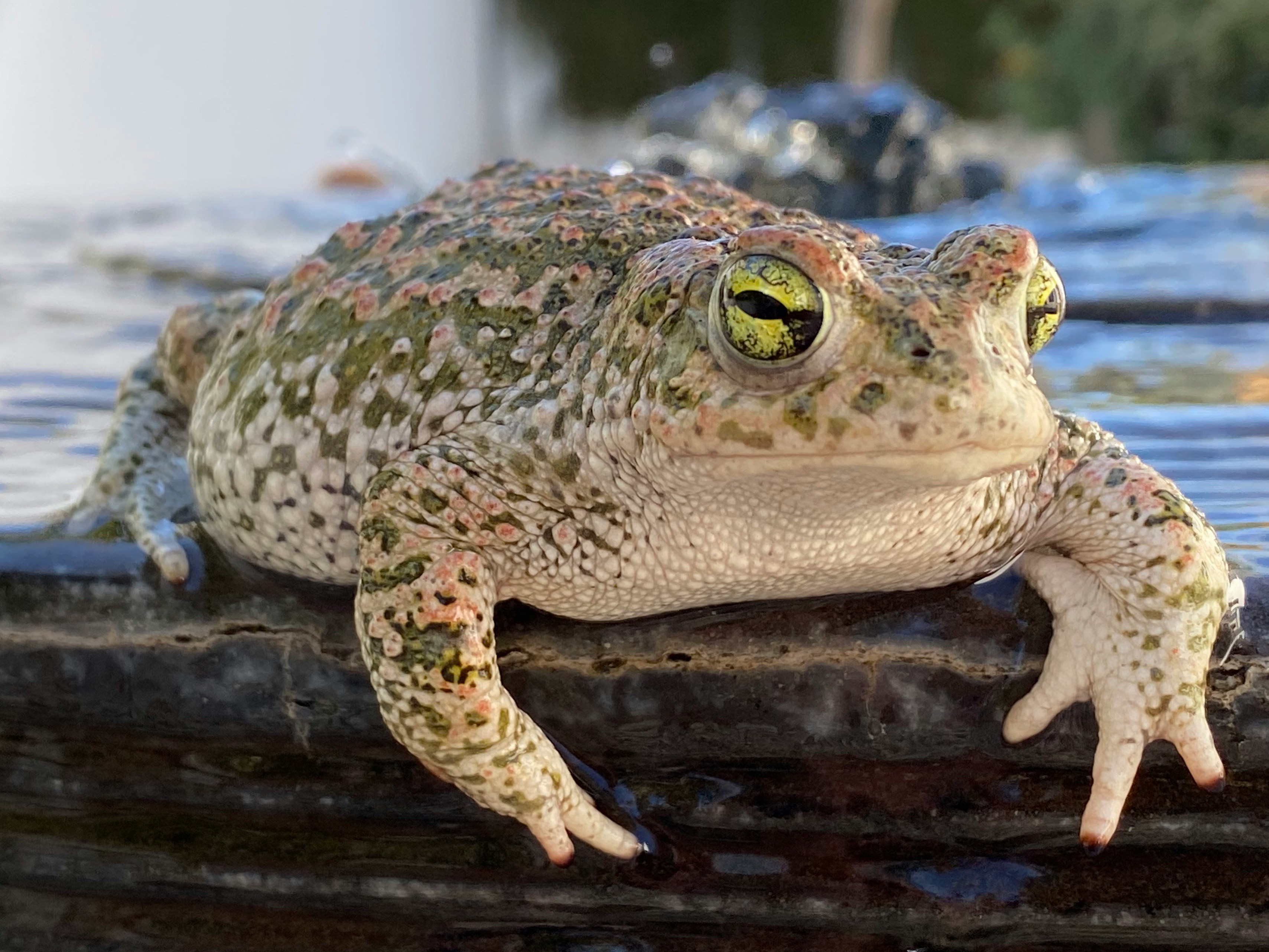
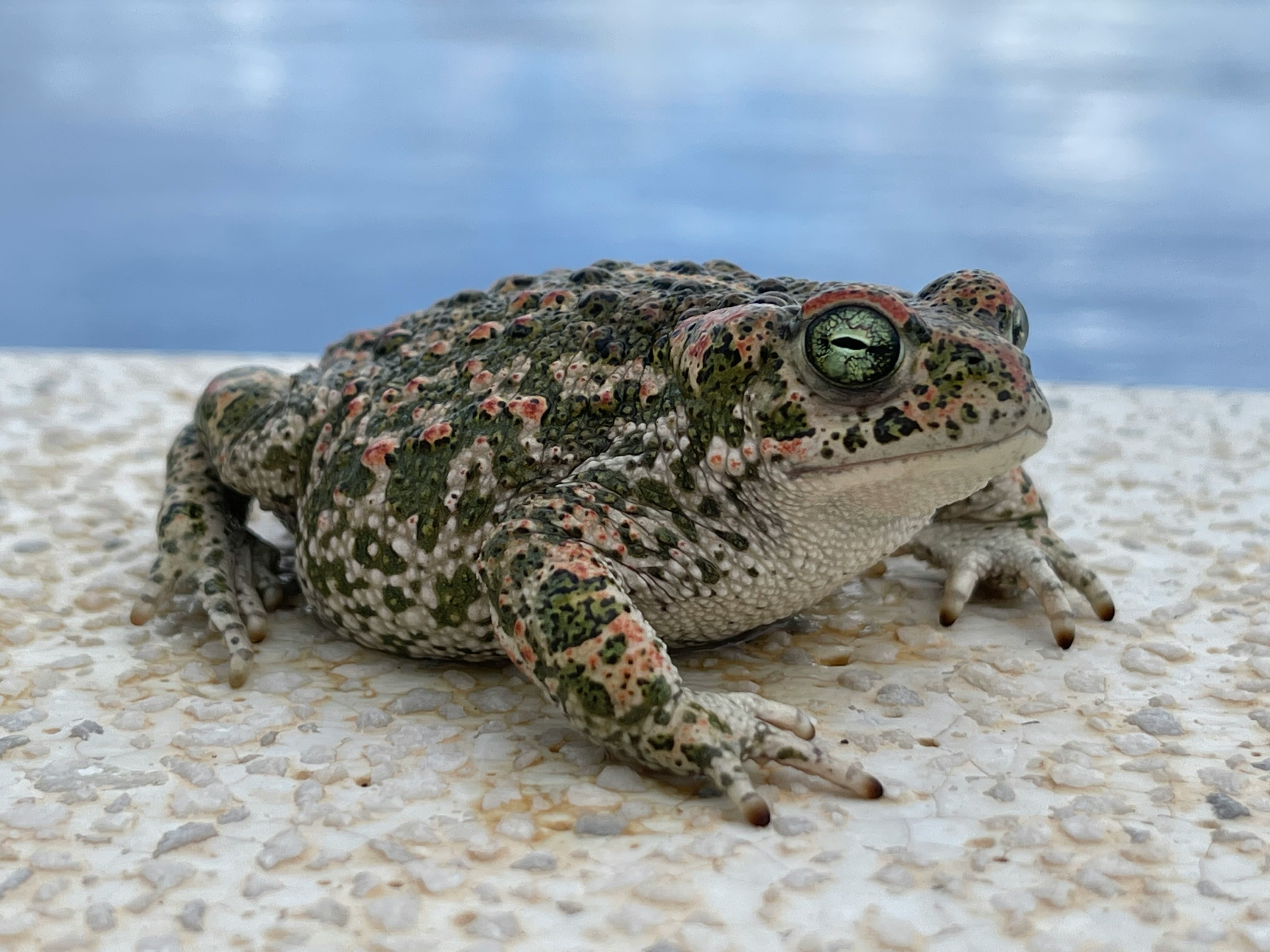
Toads bring several advantages to the butt competition. Their drier, bumpier skin creates a texture that is almost geological in its complexity. Little ridges, bumps, and parotoid glands create a landscape of fascinating detail. The toad butt is not smooth. It is not sleek. But it has character. It has texture. It tells a story. It has lived a life and has the bumps to prove it.
Toads also tend to be wider and lower to the ground than frogs, which means their resting position produces a particularly impressive spread. A toad settling down for a rest seems to spread outward as much as downward, claiming its territory in all directions. The toad butt is a statement. It says: I am here. I will be here for a while. Adjust your life accordingly.
The Case for Frog Butt
And yet the frog butt has smoothness on its side. That clean, rounded profile. The way a tree frog's posterior curves smoothly into the branch it is sitting on. The way a rain frog's entire back half is essentially a sphere that you want to protect at all costs. Frog butts tend to be more photogenic, more immediately striking, more aesthetically accessible to a broad audience who did not know they cared about this topic until five minutes ago.
The verdict? Both are excellent. The frog butt wins on aesthetics. The toad butt wins on character. We are all winners in a world that contains both. This is the wisest possible conclusion and we are sticking with it firmly.

Frog Butt Human: When People See Themselves in Amphibians
What are people looking for when they search "frog butt human"? Let us explore the several intersecting phenomena this search term represents, because there are more layers here than you might expect and we have had a lot of time to think about this.
The first and most common interpretation is the relatable comparison. Internet users have long identified with frogs on a deeply personal level: the perpetually damp existence, the tendency to sit very flat and still when stressed, the wide eyes, the general vibe of mild confusion about being alive. Frog butt human searches often reflect people looking for content that compares the two: side-by-side photos, humanized frog illustrations, or the specific image of someone sitting in a frog-like hunched position that we have all been in at least once today.
The Human-Frog Connection
There is actually a biological basis for feeling kinship with frogs. Frogs and humans are both tetrapods: four-limbed vertebrates descended from common ancestors that first crawled onto land roughly 375 million years ago. The basic body plan (spine, four limbs, bilateral symmetry) is shared. When you look at a frog skeleton, it is disturbingly recognizable. We have more in common with frogs than casual observation might suggest, and this should honestly be more comforting than it is.
The frog butt human comparison also feeds into a broader trend of people using animal images as emotional proxies. The frog sitting flat with its little butt visible becomes a symbol of the human experience: doing your best, taking up space, looking a little round from behind, unbothered. It is relatable content in the truest sense and we are not above it.
Humans and frogs share approximately 58% of their DNA sequences in protein-coding genes. This means that on a genetic level, you and the round little rain frog you have been staring at for the past ten minutes are about 58% identical. You are practically cousins. Distant, very round cousins. Say hi next time you see one. They will not say hi back but they will appreciate the gesture.
Desert Rain Frog Butt: The Angry Potato That Conquered the Internet
If the rain frog is the founding father of frog butt internet culture, the desert rain frog is the celebrity who took things mainstream. Breviceps macrops, the desert rain frog, is endemic to a narrow coastal strip between Namibia and South Africa: a region of fog-shrouded desert sand dunes. It is approximately the size of a large grape. It is almost perfectly spherical. It has an expression of absolute, burning outrage at all times. It is, by any reasonable measure, one of the greatest things that has ever existed on this planet.
The desert rain frog butt is exceptional for several reasons. First, the entire body is essentially butt: so round, so compact, so aggressively spherical that it barely has a front and a back, just a sphere with a slightly more annoyed-looking side. Second, the desert rain frog produces, when threatened, a squeaking vocalization that sounds exactly like a very tiny very upset person. The combination of maximum round, maximum indignant, and maximum squeak has proven to be completely internet-resistant and we should be grateful.
The Desert Rain Frog's Internet Journey
Videos of desert rain frogs went viral multiple times, each time catching a new wave of the internet by complete surprise and dissolving them into helpless, delighted laughter. The creature's appearance: so round, so clearly not designed by committee, so magnificently impractical, combined with its furious little squeak, created a comedic combination that has never been topped and probably never will be.
People in landlocked states with no hope of ever encountering a desert rain frog are going out of their way to find content about its posterior. This is the power of an exceptional butt. It transcends geography. It transcends species. It brings us all together in the most unexpected and wonderful way possible.
🌵 Conservation Note: The desert rain frog is listed as Vulnerable on the IUCN Red List. Its very specific habitat, the coastal fog belt of Namaqualand, is threatened by diamond mining, off-road vehicles, and climate change. The roundest frog in the world needs our help. Appreciate the butt. Protect the frog. These two things are not mutually exclusive.
Frog Buttocks: A Proper Scientific Breakdown
For those who prefer their frog butt content with a veneer of academic respectability, let us get properly scientific about frog buttocks. The frog's posterior region is a masterpiece of functional anatomy, and it deserves to be treated as such. Let us break it down system by system.
Skeletal Structure
The frog's pelvic girdle is formed by the ilium, ischium, and pubis: the same three bones found in the human pelvis. In frogs, the ilium is dramatically elongated, and the whole structure is lightweight and flexible. The urostyle, a rod-like bone formed from fused vertebrae, runs down the midline, connecting the pelvic girdle to the spine and providing structural support. This is the core of the frog butt. This is what gives it its shape. This is why you are here on this website right now.
Musculature
The muscles of the frog's posterior region are enormous relative to body size. Frogs are among the most powerful jumpers in the animal kingdom, and those muscles live in the back legs and the pelvic region. The semimembranosus, the cruralis, and the gluteus muscles work together to produce the explosive extension that launches a frog through the air. The frog butt is essentially a coiled spring in biological form. Beautiful and powerful and round all at once.
The Integument
Frog skin is thin, moist, and richly supplied with blood vessels. It is a respiratory organ as well as a protective covering. The skin of the frog's posterior is particularly smooth in most species, contributing to that characteristic roundness. In toads, the skin is dryer and more keratinized. In some tree frogs, the skin produces mucus that aids in adhesion to surfaces. Every detail of frog biology, it turns out, is more interesting than you expected.
A frog can jump up to 20 times its own body length in a single leap: the equivalent of a human jumping the length of a basketball court from a standing start. All of that power is generated by the muscles clustered in and around the butt region. The frog butt is not just cute. It is, pound for pound, one of the most powerful biological structures on Earth. Respect it accordingly.
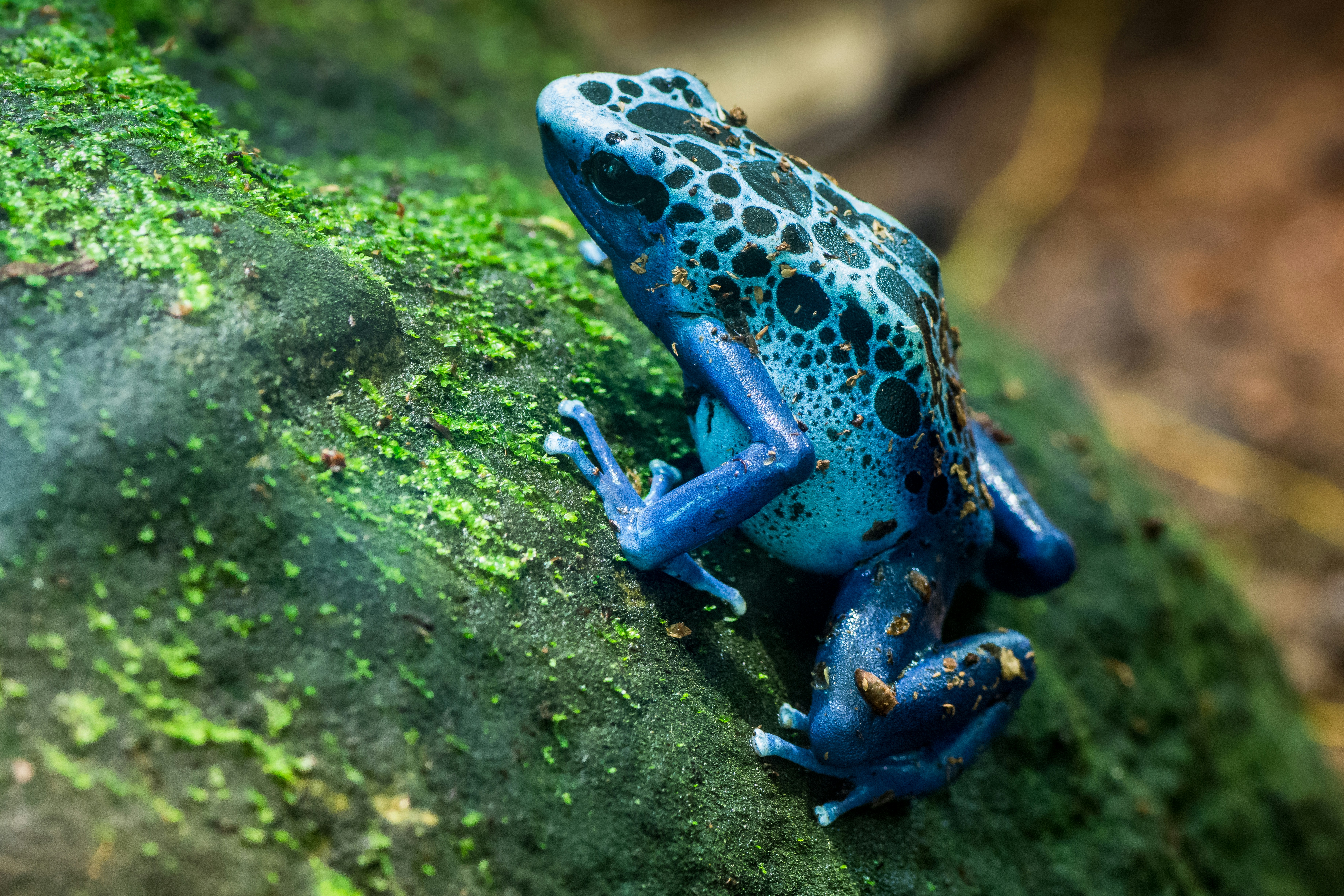
Why Does the Whole Internet Lose Its Mind Over Frog Butts?
Alright, let us get philosophical for a second. Not in a pretentious way. In a genuinely curious, slightly baffled way. The internet is enormous. There is a whole world of content out there. And yet here we are, a whole community of humans, collectively choosing to spend time appreciating frog posteriors. What does that tell us about ourselves? We are glad you asked.
The answer, it turns out, is actually kind of beautiful.
1. The Pursuit of Pure, Uncomplicated Delight
The internet in the 2020s can be an exhausting place. News cycles are relentless. Social media is contentious. The general ambient stress level of modern life is extremely high. Against this backdrop, frog butts represent something rare and valuable: completely harmless, genuinely funny content that requires no emotional labor to process. You look at the frog butt. It is round. You laugh or smile. Nothing bad has happened. The world briefly seems fine. This is a public service and we are proud to provide it.
2. The Frog Owner Mafia (They're Lovely, They're Everywhere)
Frog keepers are a special breed of human. They are passionate, knowledgeable, completely unhinged in the best possible way, and absolutely everywhere online. When your pet frog turns its back to the camera with the casual confidence of a celebrity who knows the paparazzi are there, you photograph it. Obviously. Then you post it. Then other frog people lose their minds. Then someone screenshots it. Then it ends up in a meme. This is the circle of life, frog edition, and it generates an endless supply of quality content that the world desperately needs.
3. The Meme Economy
Memes need fresh material, and frog butt content is perpetually fresh because frogs are perpetually producing new and interesting posterior situations. New species are discovered. New viral photos emerge. The meme economy around frog butts is entirely self-sustaining, and every viral moment generates a fresh wave of searches and new converts to the cause.
4. It's Just Funny
Sometimes the answer is simple. Frog butts are funny. The combination of the word "frog," the word "butt," and the visual reality of a small round amphibian presenting its posterior to the world is intrinsically, universally comedic. Some things are just funny. Frog butts are one of those things. People are chasing the funny. Godspeed to every single one of them.
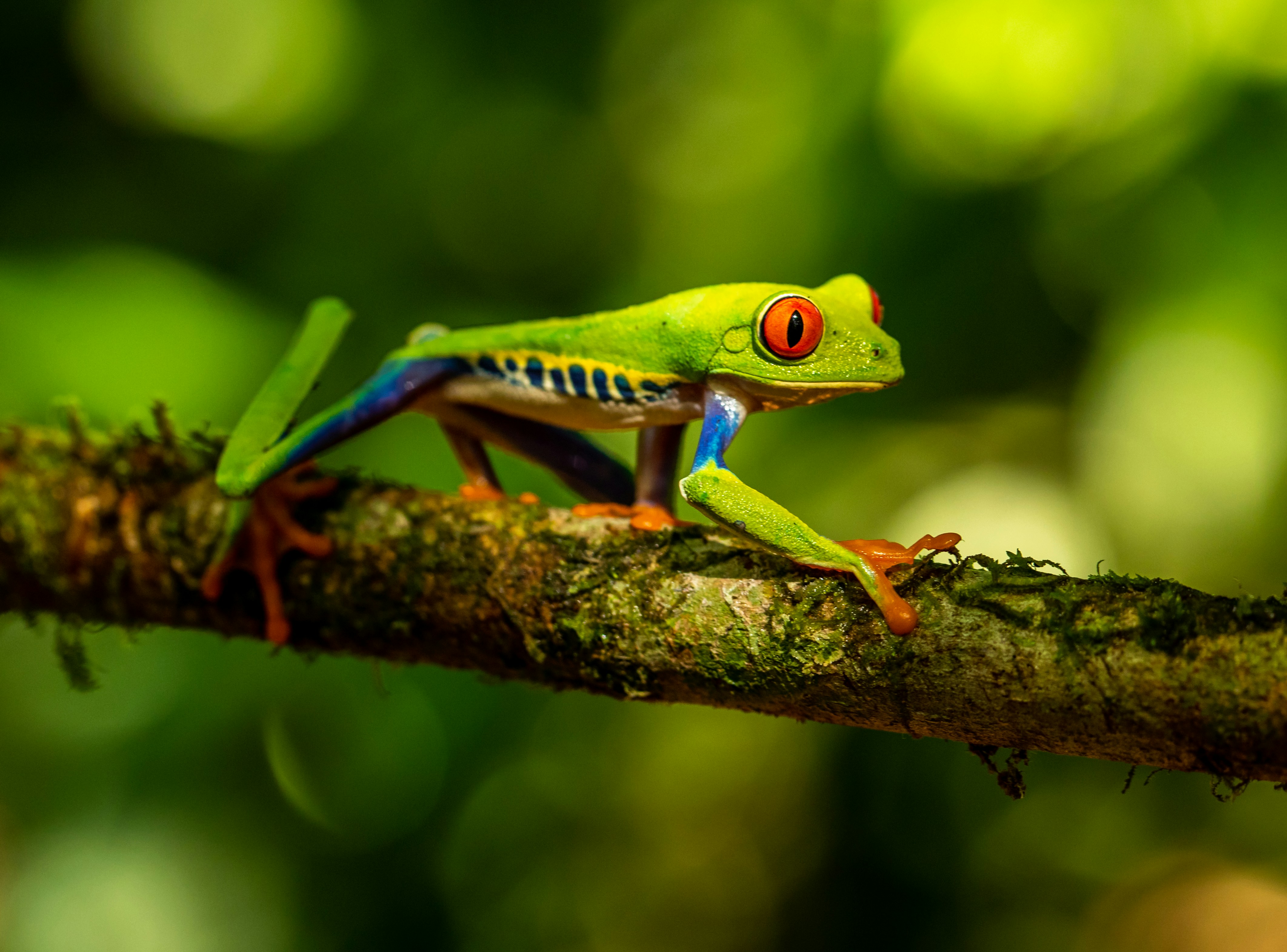
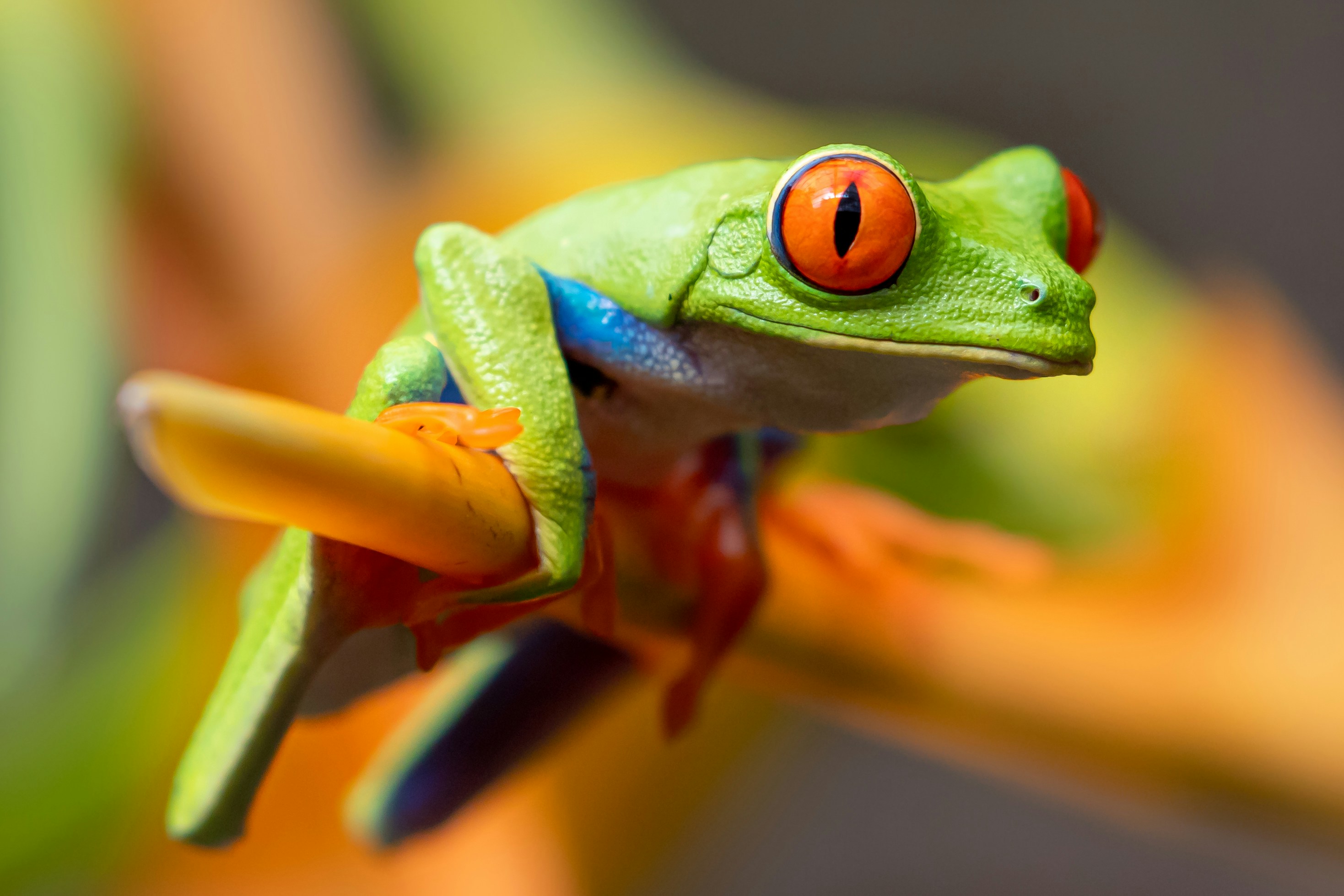
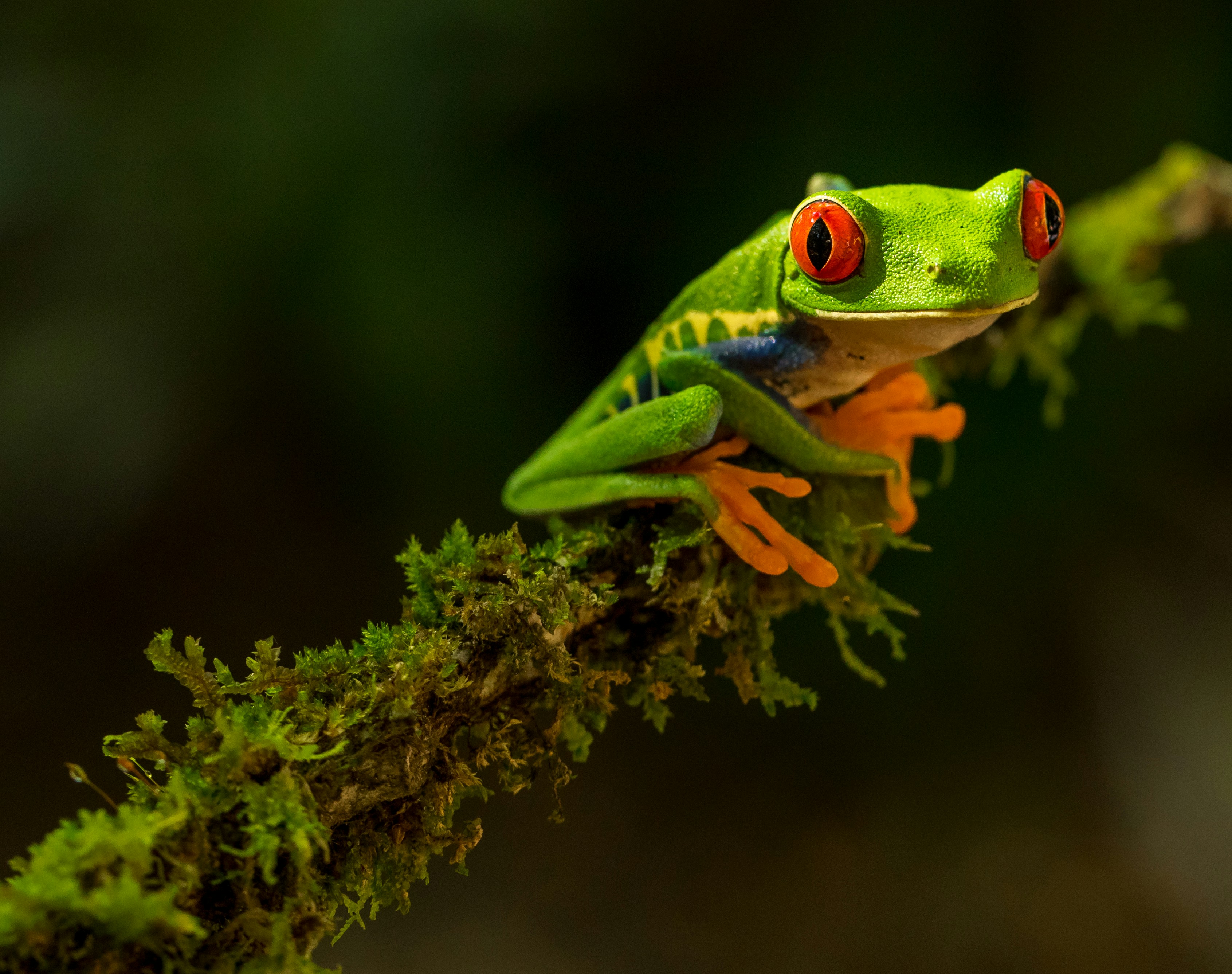
A red-eyed tree frog strutting its stuff — those orange feet and blue flanks are basically nature showing off.
20 Frog Butt Fun Facts You Absolutely Cannot Unlearn
You have made it this far. You deserve rewards. Here are twenty frog butt facts that will live in your brain forever, occasionally surfacing at dinner parties and making you briefly the most interesting person in the room:
- The smallest frog species ever discovered, Paedophryne amauensis from Papua New Guinea, is about 7.7mm long, roughly the size of a housefly. Its butt is proportionally enormous and we think about this more than is probably healthy.
- The Goliath frog of Cameroon can be over 32cm long and weigh over 3kg. Its butt is proportionally also enormous. There is a theme here and it is a good one.
- Frogs have existed on Earth for approximately 265 million years, meaning frog butts predate dinosaurs. Let that sit with you for a moment. The frog butt is older than the T-Rex.
- The hairy frog (Trichobatrachus robustus) breaks its own toe bones to produce claws when threatened. It is having a very bad day, but its butt is still round. The butt endures.
- Glass frogs have transparent undersides, but their tops are opaque. Their butts, however, you can see straight through from below. Nature thought of everything and then made it visible for science.
- The waxy monkey tree frog produces a waxy substance it rubs all over its body to prevent water loss. This includes the butt. It is waxing its own butt. This is something we can all, on some level, relate to.
- Some frog species can survive being completely frozen solid in winter and thaw back to life in spring. The butt endures. The butt persists. The butt is eternal.
- The Malaysian horned frog has a posterior so convincingly leaf-like that it was described as a new species three times by different scientists before anyone realized it was the same animal. The butt fooled science. Repeatedly.
- Frogs do not drink water. They absorb it through their skin, particularly through a porous region on their underside near the pelvis. They are, in a technical sense, drinking through their butt area. This is not a metaphor.
- The purple frog of India spends 11 months underground each year. When it emerges, it looks extremely round and freshly pressed. Very butt-forward energy and we respect it completely.
- The Surinam toad gives birth through holes in its back. Not its butt, technically, but worth mentioning because it is remarkable and slightly upsetting in ways that take a few days to fully process.
- A group of frogs is called an army. An army of frogs. Marching forward. Butts leading the charge. This is the most beautiful sentence in the English language.
- The tomato frog from Madagascar is named for its round red appearance. It is basically a small round red frog-tomato. Maximum butt vibes and not a single apology offered.
- Some tree frogs can change color, but their butt region often changes first or most dramatically, as it has the highest concentration of chromatophores. The butt leads the way. The butt always leads the way.
- The African bullfrog is one of the few frog species that cares for its young. It has been observed pushing water with its large flat body to help tadpoles reach deeper pools. It uses its butt as a bulldozer. We stan a helpful butt that contributes to society.
- Frog calls are produced by air moving from the lungs across the vocal cords, but the cloaca (the butt) can also produce sounds in some species. Some frogs squeak from both ends. Respect to these frogs. True multitaskers.
- The burrowing frog uses its hind legs, which emerge from a very round posterior, to dig backwards into soil. It essentially backs its butt into the ground and disappears. This is an excellent technique and we should all be so decisive.
- The red-eyed tree frog's vivid red eyes are believed to startle predators, but researchers have also noted that its flat wide posterior position while sleeping makes it look like a completely different less frog-shaped object. Camouflage through butt geometry. Incredible.
- Frogs have been to space. In 1970, two bullfrogs were sent on a NASA mission to study the effects of weightlessness on the inner ear. Space frogs. Space frog butts. This actually happened and it was never properly celebrated.
- The very first identified fossil frog, Triadobatrachus massinoti, from 250 million years ago, shows a shortened body and widened pelvis: the beginnings of the iconic frog butt. The butt came first. The rest of the frog evolved to deserve it. We find this deeply poetic.
Frog Butt FAQ: Every Question Answered, No Question Too Weird
What is a frog butt?
A frog butt is the posterior region of a frog: the area at the back of its body formed by the pelvic girdle, folded hind legs, and smooth skin. In many species, this region forms a satisfyingly round, compact shape that has become iconic in internet culture. Functionally, it contains the cloaca (the multi-purpose opening for waste and reproduction) and the powerful muscles that enable jumping. It is both beautiful and practical. We respect that combination enormously.
Do frogs actually have a butt?
Yes! Frogs have a cloaca: a single opening that handles all rear-end biological functions, and the characteristic rounded posterior shape created by their skeleton and musculature. They have both a functional butt (the cloaca) and an aesthetic butt (the round shape). They are extremely well-equipped and they know it.
Why do frog butts look so round?
The rounded appearance comes from the frog's skeleton: a short spine, wide pelvis, and extremely powerful hind legs that fold back against the body in the resting position. The smooth moist skin then stretches tight over this structure, creating that characteristic spherical appearance. Some species like rain frogs and tomato frogs have taken this roundness to genuine artistic extremes and we are grateful for their commitment.
What frog has the roundest butt?
The desert rain frog and its relatives in the Breviceps genus are strong contenders for the roundest butt award. The tomato frog is also exceptionally round. For sheer size of posterior, the African bullfrog (Pixie frog) wins. It is the biggest, baddest, flattest butt in the frog kingdom and it is not interested in competition.
Is "frog butt" a real thing people look up?
Oh yes. It is an enormously popular search topic, spawning an entire ecosystem of memes, content, communities, and at least one excellent website. You are currently on it. Welcome. We have been expecting you.
What is a butter frog?
A butter frog is an informal internet term for frogs with particularly smooth, soft, shiny-looking skin, especially certain tree frogs and smooth-skinned species. The White's Tree Frog is often cited as the ultimate butter frog. The term refers to the visual quality of the skin and body shape, not any actual butter involvement. No frogs were buttered in the coining of this term.
Can I keep a frog with a particularly good butt as a pet?
Yes! Many of the most butt-celebrated species make excellent pets. The White's Tree Frog (maximum butter), the Pixie frog (maximum size), and Pac-Man frogs (maximum round) are all popular in captivity and can live for many years with proper care. Please always source from ethical breeders and never take wild frogs. The wild frogs have places to be and butts to show off in nature.
Why does the internet love frog butts so much?
Because they are round, funny, harmless, and endlessly varied. In a complicated world, the simple delight of a round frog butt is a genuine service to mental health. The internet loves frog butts for the same reason it loves any simple pure joy: because simple pure joy is increasingly rare and infinitely valuable. You came here for a reason. That reason was correct.
You just read thousands of words about frog butts. You are now one of the world's foremost authorities on the subject. Use this knowledge wisely, use it often, and whenever life feels heavy, just remember that somewhere out there, a tiny round rain frog is backing its perfectly spherical posterior into the warm African soil, completely unbothered, utterly magnificent, and absolutely unaware that it has brought joy to millions of people around the world. That is beautiful. Frogs are beautiful. Frog butts are beautiful. Thank you for being here. 🐸